Cary Grant
From acrobat to the perfect leading man. Born Archibald Leach in Bristol, Cary Grant trained as a stage acrobat, then became Hollywood's smoothest comic star and one of its first freelancers.
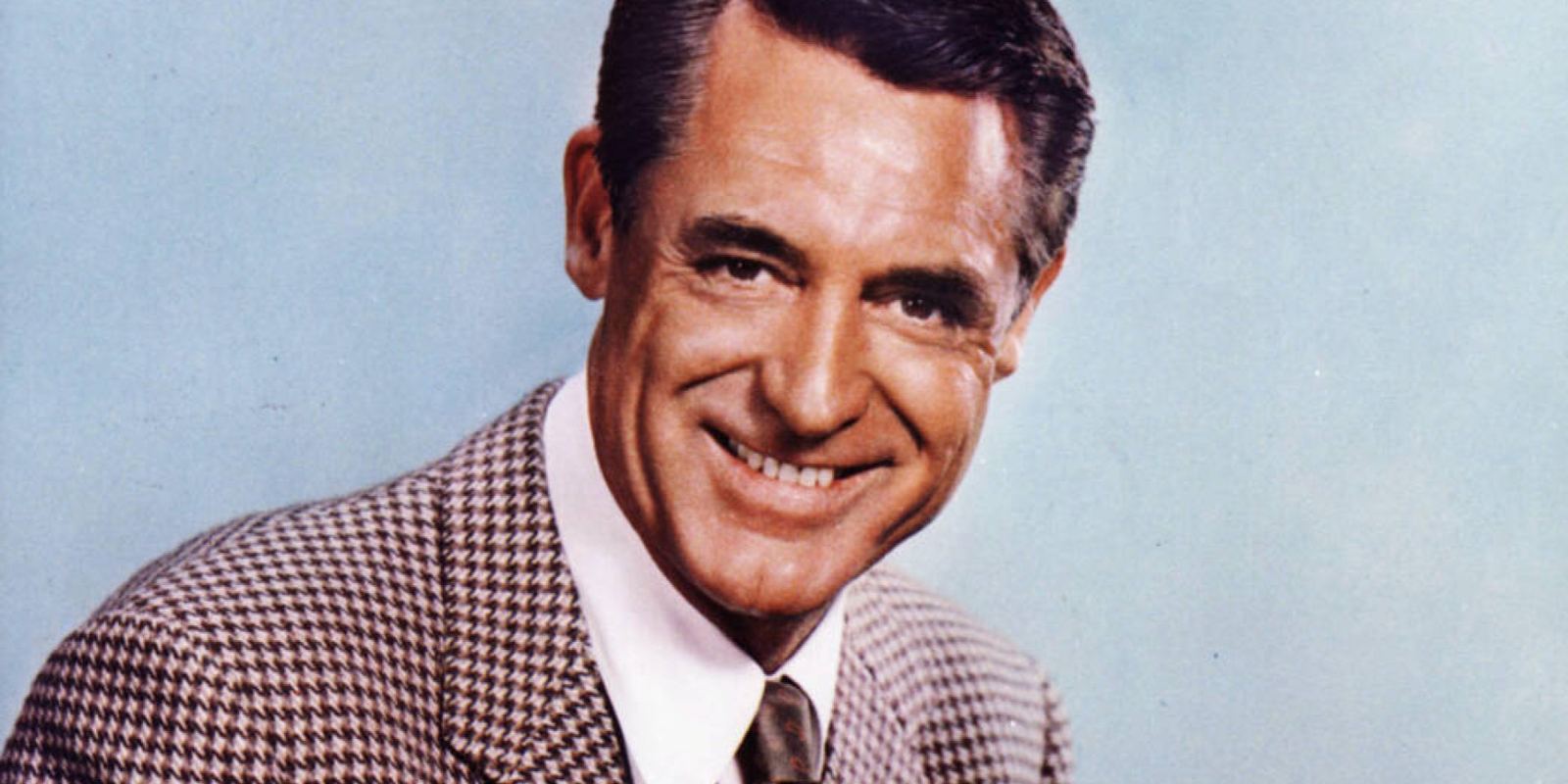
Cary Grant in 1958: Harry Warnecke of New York Daily News, Public domain
Stilts, tumbling and Broadway
Archie Leach left school as a teenager to join Bob Pender's troupe of acrobats and stilt walkers. He sailed to New York with the troupe in 1920 and stayed, working in vaudeville and then Broadway musicals. Those years gave him perfect timing and the physical grace that made his comedy look effortless.
A new name at Paramount
Paramount signed him in 1931 and changed his name to Cary Grant. He gained attention opposite Mae West in She Done Him Wrong (1933), but the studio mostly used him as handsome support. Grant wanted better material and more control.
Going freelance
In 1937 Grant did something rare: he declined to renew his long-term contract and worked independently, choosing scripts and directors himself. It paid off at once. The Awful Truth (1937), Bringing Up Baby (1938), His Girl Friday (1940) and The Philadelphia Story (1940) made him the king of screwball comedy, fast-talking, elegant and willing to look silly.
His independence also made him a model for later stars who negotiated deals film by film, a story told on our Hollywood studio system page.
Hitchcock's favorite gentleman
Alfred Hitchcock cast Grant four times. Suspicion (1941) and Notorious (1946) used his charm to create doubt, To Catch a Thief (1955) set him on the French Riviera with Grace Kelly, and North by Northwest (1959) sent him running from a crop-dusting plane across an empty field, one of cinema's most famous sequences.
He also starred with Sophia Loren in Houseboat (1958) and with Audrey Hepburn in Charade (1963).
Retiring at the top
Grant was nominated for Best Actor twice, for Penny Serenade (1941) and None but the Lonely Heart (1944), but never won a competitive Oscar. He retired from films after Walk, Don't Run (1966), and the Academy gave him an honorary award in 1970. The American Film Institute ranks him second among the greatest male screen legends.
Where to start
For pure comedy, watch Bringing Up Baby (1938) and His Girl Friday (1940), where the dialogue moves at a breathless pace. For suspense, North by Northwest (1959) and Notorious (1946) show how Hitchcock used Grant's charm to keep audiences guessing. Charade (1963) mixes both moods. Notice how often Grant lets his co-stars get the laughs while he reacts, a generous habit that made every scene partner look better.
Did you know? Grant became a US citizen in 1942 and kept close ties to Bristol, the city where he was born, which now has a statue of him.
- Cary Grant in 1958: Harry Warnecke of New York Daily News, Public domain
Text written by Amazing Movie Star.