Bette Davis
Ten nominations and a fighting spirit. Bette Davis won two Oscars, earned ten Best Actress nominations and took on her own studio. How a stubborn New Englander became a screen legend.
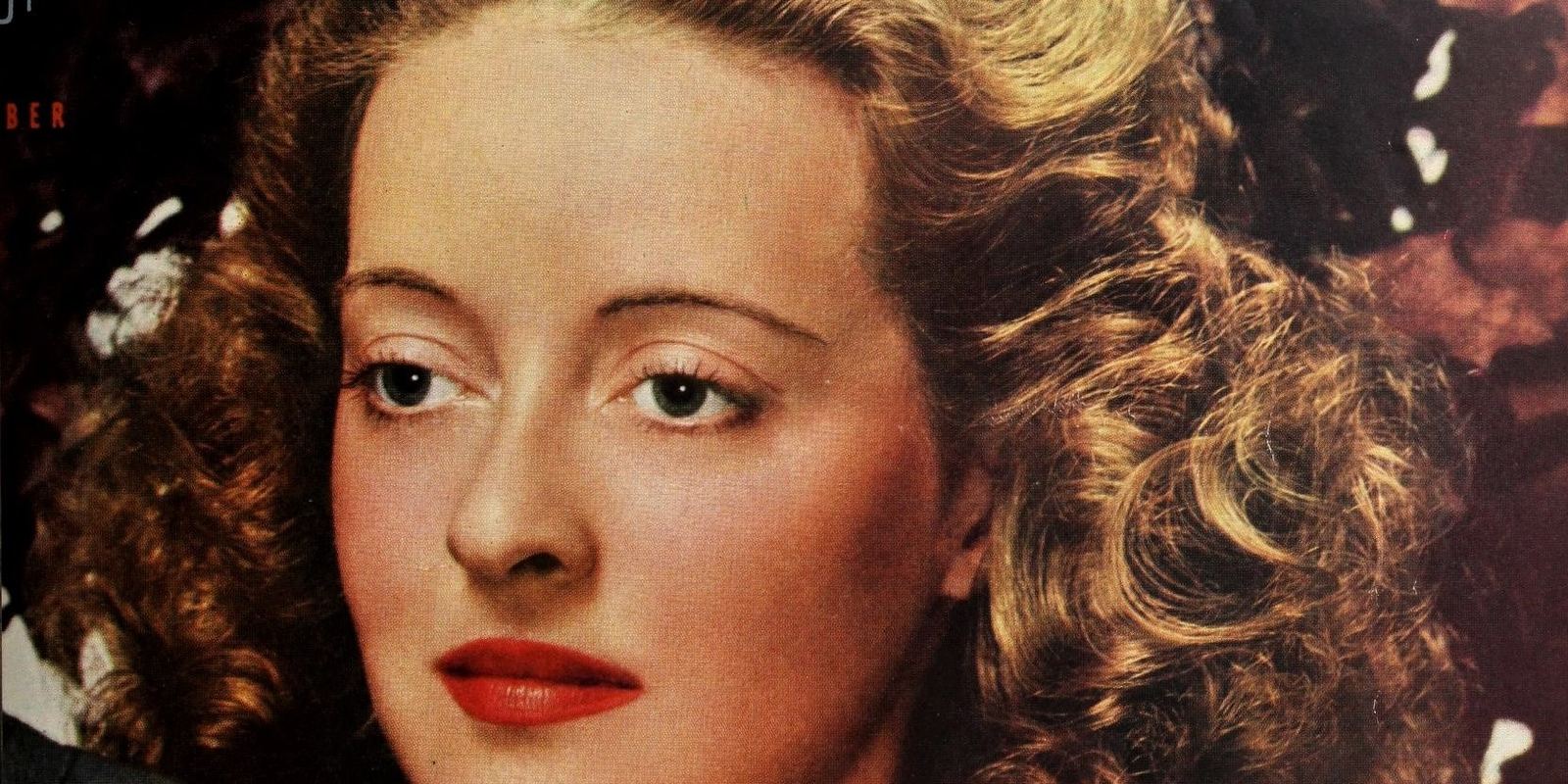
Bette Davis by George Hurrell, 1938: George Hurrell (1904-1992), Public domain
Stage training and a slow start
Ruth Elizabeth Davis studied acting in New York and reached Broadway in 1929. Universal signed her in 1930 but used her in small parts, and she nearly went home before Warner Bros. took her on in 1932. She was not a conventional glamour girl, and she knew her strength was intensity.
The role she begged for
Davis pushed hard to be loaned to RKO for Of Human Bondage (1934), playing a cruel, sharp-tongued waitress that other actresses avoided. Her performance caused a sensation, and when she was not nominated for an Oscar, there was an outcry. The next year she won Best Actress for Dangerous (1935), and in 1938 she won again for Jezebel.
Taking on the studio
In 1936, frustrated with weak scripts, Davis went to Britain to make films outside her Warner Bros. contract. The studio took her to court in London and won, and she returned to Hollywood. The case cost her money but earned her respect, and Warner Bros. began giving her stronger parts.
Her streak that followed is remarkable: Dark Victory (1939), The Letter (1940), The Little Foxes (1941) and Now, Voyager (1942) all brought Best Actress nominations. For the bigger story of contracts and studios, read our Hollywood studio system page.
All About Eve and a second act
In All About Eve (1950) Davis played Margo Channing, an aging Broadway star, and delivered one of the most quoted lines in film: fasten your seatbelts, it is going to be a bumpy night. The film won Best Picture and earned 14 nominations, a record later tied by Titanic and La La Land and only beaten in 2026.
When offers slowed in the early 1960s, she famously placed a tongue-in-cheek trade advertisement looking for work. Then came What Ever Happened to Baby Jane? (1962), a hit that brought her tenth Best Actress nomination.
Legacy
Davis was the first person to receive ten competitive acting nominations, and in 1977 she became the first woman to receive the American Film Institute's Life Achievement Award. AFI later ranked her second among the greatest female screen legends of classic Hollywood, behind Katharine Hepburn.
Where to start
New to Bette Davis? Start with All About Eve (1950) for her sharpest dialogue, then Now, Voyager (1942) for a moving transformation from shy daughter to confident woman. Jezebel (1938) shows the fiery young star who won her second Oscar, and The Little Foxes (1941) shows how coldly she could play a villain. Watching them in order is a short course in how one actor can stretch across very different characters.
- Bette Davis by George Hurrell, 1938: George Hurrell (1904-1992), Public domain
Text written by Amazing Movie Star.