Charlie Chaplin
The Tramp who built his own studio. From London music halls to the Tramp: how Charlie Chaplin became the first global movie star and wrote, directed, scored and owned his films.
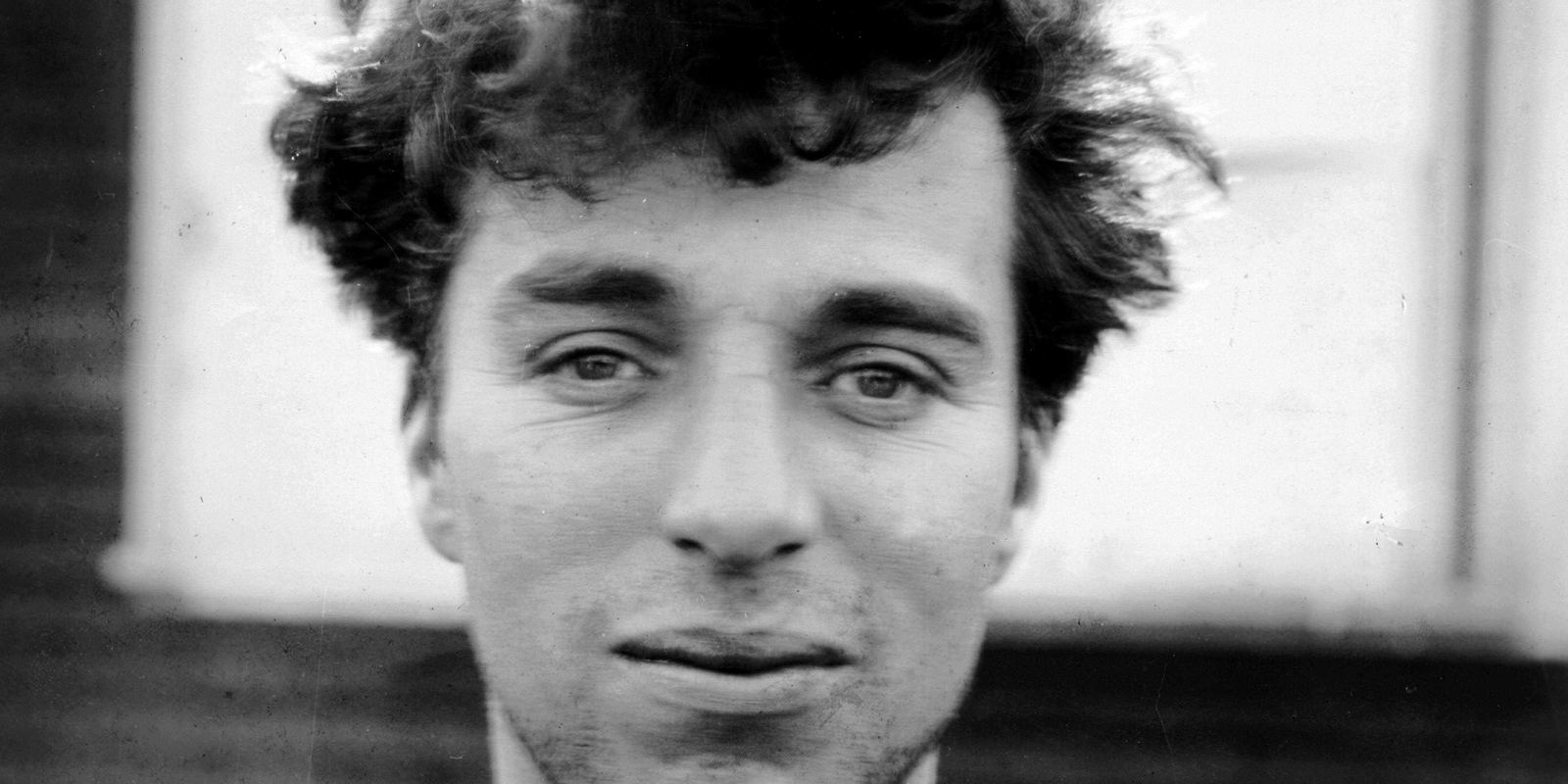
Charlie Chaplin, around 1916: Unknown photographer, Public domain
A music hall childhood
Charles Spencer Chaplin grew up poor in south London, the son of two music hall performers. He was on stage as a child and by his teens was touring with clog dancers and comedy troupes. The big step came when he joined Fred Karno's company, the leading slapstick troupe in Britain, where he learned precise physical comedy night after night.
Karno's troupe toured North America in 1910 and again in 1912. On the second tour, the Keystone studio of Mack Sennett signed Chaplin, and he made his first film, Making a Living, in early 1914.
Inventing the Tramp
Within weeks Chaplin put together the costume that made him famous: baggy trousers, a tight coat, oversized shoes, a bowler hat, a cane and a little moustache. The Tramp was poor but proud, comic but sad, and audiences everywhere could read him without a word of dialogue.
Chaplin moved quickly from Keystone to Essanay, Mutual and First National, each time with a bigger salary and more control. By the late 1910s he was one of the best paid people in the world, and silent film let his comedy cross every language border.
Owning the whole picture
Chaplin built his own studio in Hollywood in 1917 and 1918, and in 1919 he co-founded United Artists with Mary Pickford, Douglas Fairbanks and D. W. Griffith, so that stars could distribute their own films. He wrote, directed, produced, starred in and later composed the music for his features.
The Kid (1921), The Gold Rush (1925), The Circus (1928), City Lights (1931) and Modern Times (1936) are still shown and studied today. He kept City Lights and Modern Times largely silent even after talking pictures took over, trusting pantomime over dialogue.
Honors and late recognition
At the very first Academy Awards in 1929, Chaplin received a special award for his versatility and genius in acting, writing, directing and producing The Circus. Decades later, in 1972, he returned to Hollywood for an honorary Oscar and received one of the longest standing ovations in the ceremony's history.
Because Limelight (1952) only opened in Los Angeles in 1972, its music became eligible late, and Chaplin shared the Oscar for Best Original Dramatic Score in 1973. He was knighted in 1975 and died on Christmas Day 1977 in Switzerland.
Why he still matters
Chaplin showed that a film star could also be an author and a businessman. His mix of slapstick and sentiment influenced generations of comic performers, and his studio lot on La Brea Avenue in Los Angeles still stands. For another silent comedy giant who did his own stunts, read our Buster Keaton page.
- Charlie Chaplin, around 1916: Unknown photographer, Public domain
Text written by Amazing Movie Star.