How a Film Is Made
From first idea to opening night. Development, pre-production, the shoot, post-production and release: a clear guide to the five stages every feature film goes through.
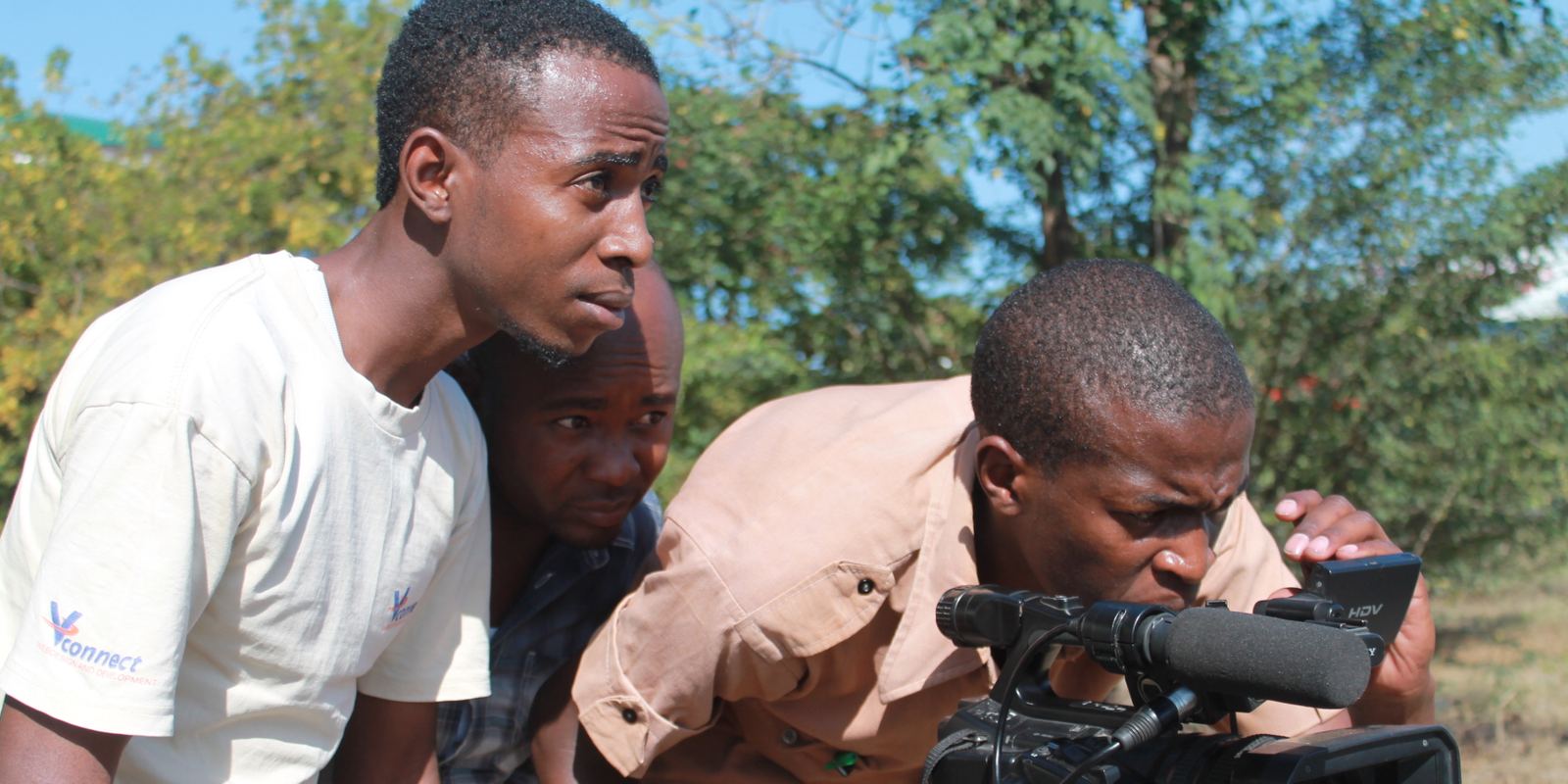
A film crew at work on location: Thukuk, CC BY-SA 4.0
1. Development
Every film starts as an idea: an original story, a novel, a true event or a play. A producer secures the rights, hires a screenwriter and develops the script through many drafts. At the same time the producer builds a package, usually a director and one or two stars, to convince studios, streamers or investors to pay for it. When money is committed, the film is said to be greenlit.
2. Pre-production
Now the team plans every day of the shoot. The director works with a production designer on sets, a costume designer on clothes and a cinematographer on the look of each scene, often using storyboards. Casting directors fill every role, location scouts find real places to film, and the line producer turns the script into a budget and a schedule. Actors rehearse, learn accents and train for any physical skills they need.
3. Production
The shoot, called principal photography, is the most expensive part. Each day a call sheet tells cast and crew when to arrive and which scenes are planned. Scenes are rarely shot in story order; they are grouped by location to save time. A single scene may be filmed from several angles, known as coverage, with many takes of each.
On set, the gaffer runs the lighting, grips handle camera support and rigging, the sound mixer records dialogue and the script supervisor tracks continuity, so a glass is not half full in one shot and empty in the next.
4. Post-production
The editor assembles the footage, and the director and editor shape it over months into a finished cut. Sound designers add effects, Foley artists perform footsteps and small noises in a studio, and actors may re-record lines in a process called ADR. Visual effects artists add or remove elements, the composer writes and records the score, and a colorist sets the final look. When no more picture changes are allowed, the film has reached picture lock.
5. Distribution and release
Finally the film must find an audience. Many premiere at festivals such as Cannes, Venice, Toronto or Sundance, where distributors may buy them. Marketing teams cut trailers and plan premieres where the stars walk the red carpet. Films then open in cinemas, on streaming services or both. Read our festival pages to see where many famous films first met the public, and our film glossary for every term on this page.
- A film crew at work on location: Thukuk, CC BY-SA 4.0
Text written by Amazing Movie Star.