The Hollywood Studio System
How studios owned the stars. From the 1920s to the 1950s five big studios made the films, owned the cinemas and held stars on seven-year contracts. How the system worked and ended.
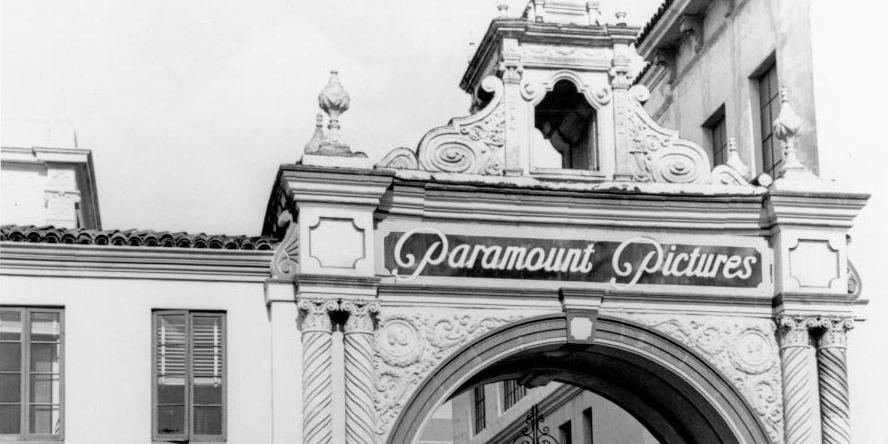
Paramount studio gate, around 1940: Life Magazine, Public domain
Factories of dreams
In Hollywood's golden age a handful of companies controlled almost everything about the movies. The Big Five, MGM, Paramount, Warner Bros., 20th Century Fox and RKO, made films on their own lots, distributed them and owned chains of cinemas where they played. This is called vertical integration. The Little Three, Universal, Columbia and United Artists, made and distributed films but owned few or no theaters.
Each studio had a style. MGM was known for glossy stars and musicals, Warner Bros. for tough crime stories, and Universal for its horror films.
Stars under contract
Actors signed long-term contracts, usually for seven years, but the studio could drop them at regular option dates while the actor could not leave. Studios chose their roles, changed their names, fixed their teeth and hair, and controlled their publicity. If a star refused a part, the studio could suspend them without pay and add the time to the end of the contract.
Studios also ran talent schools, coached voices and arranged glamour portraits by photographers like George Hurrell, which is why so many classic star portraits look polished and similar.
Stars who pushed back
Bette Davis challenged Warner Bros. in a London court in 1936 and lost. Olivia de Havilland sued the same studio and won in 1944, when a California court ruled that a contract could not be stretched beyond seven calendar years by adding suspensions. The decision, known as the De Havilland Law, freed many actors. Cary Grant had already shown another way by going freelance in 1937.
The Paramount decision
In 1948 the US Supreme Court ruled against the studios in the case known as United States v. Paramount Pictures, finding that owning cinemas and forcing them to book films in blocks was unfair to competitors. Studios had to sell their theater chains. At the same time, television kept many families at home, and ticket sales fell.
After the system
Without guaranteed screens, studios cut contract players and made fewer, bigger films. Agents became powerful, and in 1950 James Stewart's agent arranged a share of the profits for the western Winchester '73, a model for modern star deals. Stars began to form their own production companies. For the people who lived through this era, read our Katharine Hepburn, Bette Davis and Cary Grant pages.
- Paramount studio gate, around 1940: Life Magazine, Public domain
Text written by Amazing Movie Star.