Buster Keaton
The Great Stone Face and his stunts. Buster Keaton did his own death-defying stunts in silent comedies while never cracking a smile. How a vaudeville kid became a film legend.
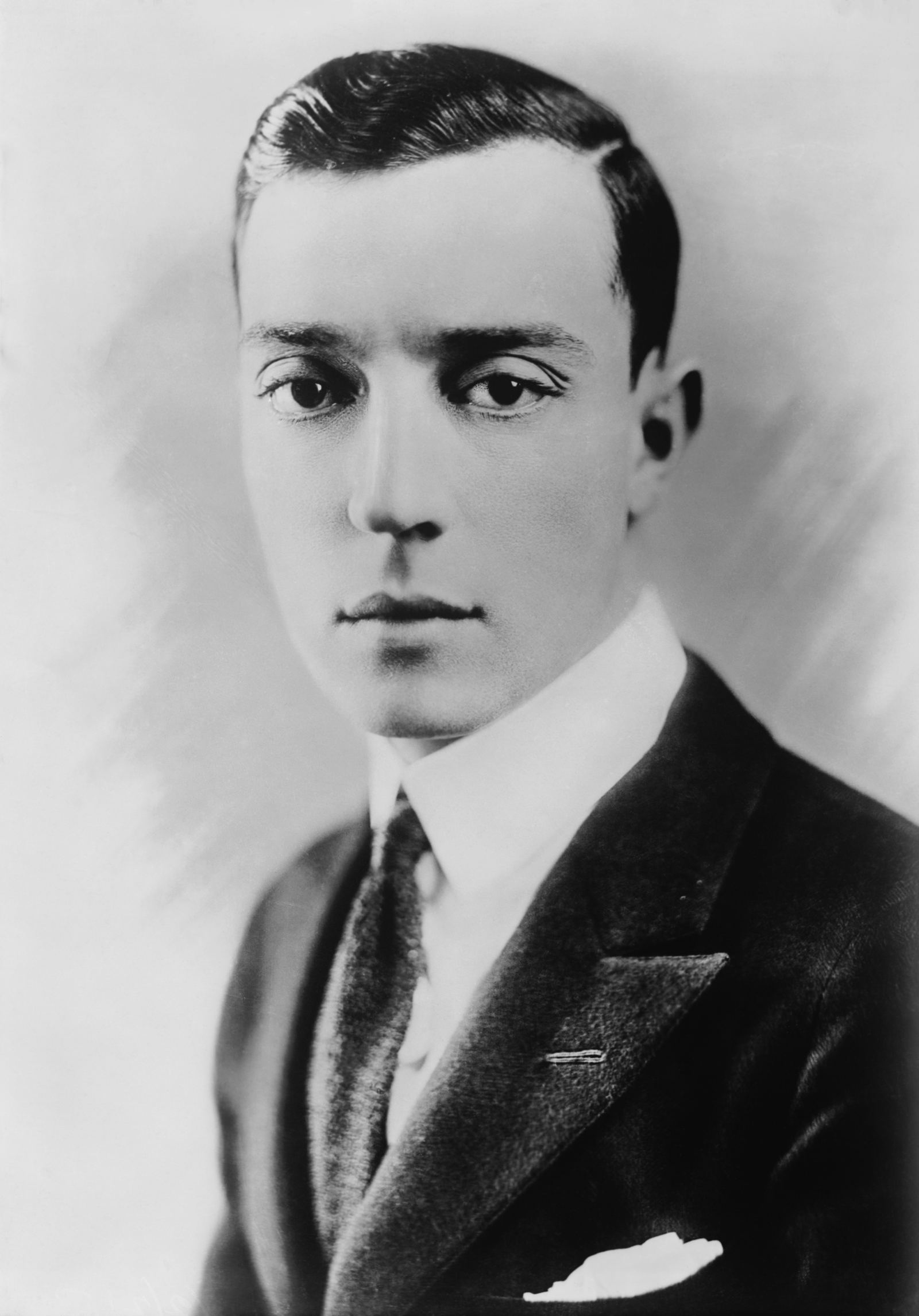
Portrait, about 1920: Bain News Service, Public domain
Raised on stage
Buster Keaton was born in 1895 into a traveling vaudeville family. From the age of three he performed with his parents in an act called The Three Keatons, in which his father tossed him around the stage as part of the comedy.
That rough start taught him how to fall without getting hurt. According to the family story, his nickname Buster came from the magician Harry Houdini, after the baby survived a tumble down a flight of stairs.
From vaudeville to film
In 1917 Keaton met the comedy star Roscoe Arbuckle at a studio in New York and was asked to jump into a scene on his first day. He made 14 short films with Arbuckle and soon was helping to direct and invent the gags.
By the 1920s he was making his own comedies, first two-reel shorts such as One Week (1920) and then features such as Sherlock Jr. (1924) and Steamboat Bill, Jr. (1928).
The Great Stone Face
Keaton's trademark was a calm, unsmiling expression, no matter how wild the chaos around him. That deadpan face earned him the nickname The Great Stone Face, and it made his physical comedy even funnier.
He also took huge risks. In Steamboat Bill, Jr. the front wall of a house falls on him and he survives because he is standing exactly where an open window lands. The prop wall weighed about two tons, and the window gave him only a few inches of space on each side. There was no trick photography.
A legend rediscovered
Keaton's star faded when sound films arrived, but television appearances in the 1950s and 1960s brought his silent films back into the public eye. In 1960 he received an honorary Academy Award for his unique talents in screen comedy.
Today stunt performers and action stars, from Jackie Chan to modern comedy directors, point to Keaton as a master who showed that the most thrilling stunts are the ones the audience can see are real.
Why his stunts still work
Keaton usually filmed his biggest stunts in wide shots with few cuts, so viewers could see that the danger was real and that he was the one doing it. Modern editors often cut action into many quick pieces, but Keaton trusted one clear shot.
He also built gags with engineering precision, measuring distances and testing props before the cameras rolled. That mix of planning and nerve is why film schools still study his work.
- Portrait, about 1920: Bain News Service, Public domain
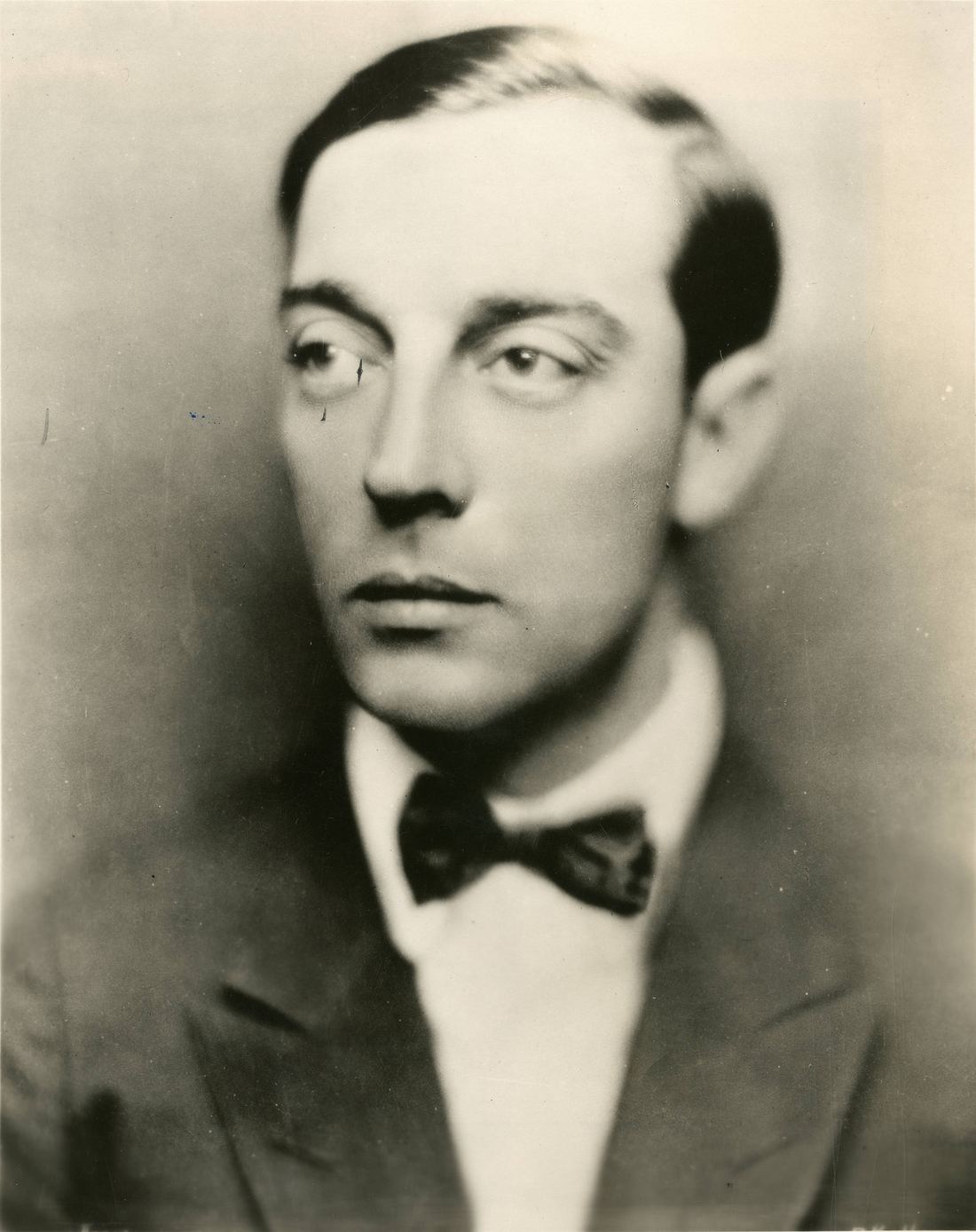
- Publicity photo, 1926: Unknown author, Public domain
Text written by Amazing Movie Star.